When Record Revenue Meets Margin Compression: The XPEL Paradox
XPEL
XPEL posted record revenue of $125 million in Q3, up 11% year-over-year, but the celebration came with caveats. Gross margins compressed 170 basis points as supplier price increases bit into profitability, dragging operating margins down to 13.4%. The company blamed temporary factors—acquired Chinese inventory and unfavorable supplier contracts—promising recovery by Q1 2026. Wall Street will be watching to see if that promise holds.
The numbers tell a more complex story than quarterly earnings transcripts typically reveal. Revenue hit a record $125.42 million while operating income fell to just $16.75 million, creating a 13.4% operating margin that sits well below the company's mid-to-high 20s target. For a business trading at 27 times earnings with a $1.49 billion market cap, that's a disconnect investors can't ignore forever.
The $150 Million Bet Nobody's Talking About
XPEL's management isn't playing defense. They're making a $75-150 million bet on vertical integration by 2028, targeting gross margins of 52-54%—a full ten percentage points above today's 42%. That's not incremental improvement. That's business model transformation. The company plans to become both the highest quality and lowest cost provider through direct manufacturing investment, supplier acquisitions, and joint ventures.
Financial statement analysis of their SEC filings reveals the strategic logic. Operating cash flow hit a record $33.15 million in Q3 while capital expenditures remained lean at just $989,000. XPEL generates cash without heavy infrastructure needs today, giving them the balance sheet flexibility to fund manufacturing buildout. They're sitting on $64.5 million in cash against just $23.4 million in total debt—a net cash position that makes the manufacturing pivot financially feasible.
China: The $53 Million Wild Card
The September 2025 acquisition of their Chinese distributor for approximately $53 million represents more than geographic expansion. China is the world's largest auto market, and XPEL just secured direct access. The deal structure reveals confidence—76% ownership, $22 million in inventory acquired, and management projecting $10 million in incremental annual operating income once fully integrated.
Revenue segmentation data from recent quarters shows the strategic importance. U.S. revenue grew 11.1% to $71.7 million, but Europe surged 28.8% to $16.5 million despite automotive market headwinds. China represents the final piece of their direct distribution buildout across major global markets, eliminating distributor margins and enabling OEM partnerships that were previously out of reach.
The Margin Recovery Timeline Matters
Management set clear expectations during their latest earnings call: margin normalization begins in Q4 2025, with full recovery in Q1-Q2 2026. That timeline isn't arbitrary. The acquired Chinese inventory carries unfavorable accounting treatment that temporarily suppresses margins. As that inventory sells through and new supplier contracts normalize pricing, gross margins should return to the low-40s before the manufacturing transformation even begins.
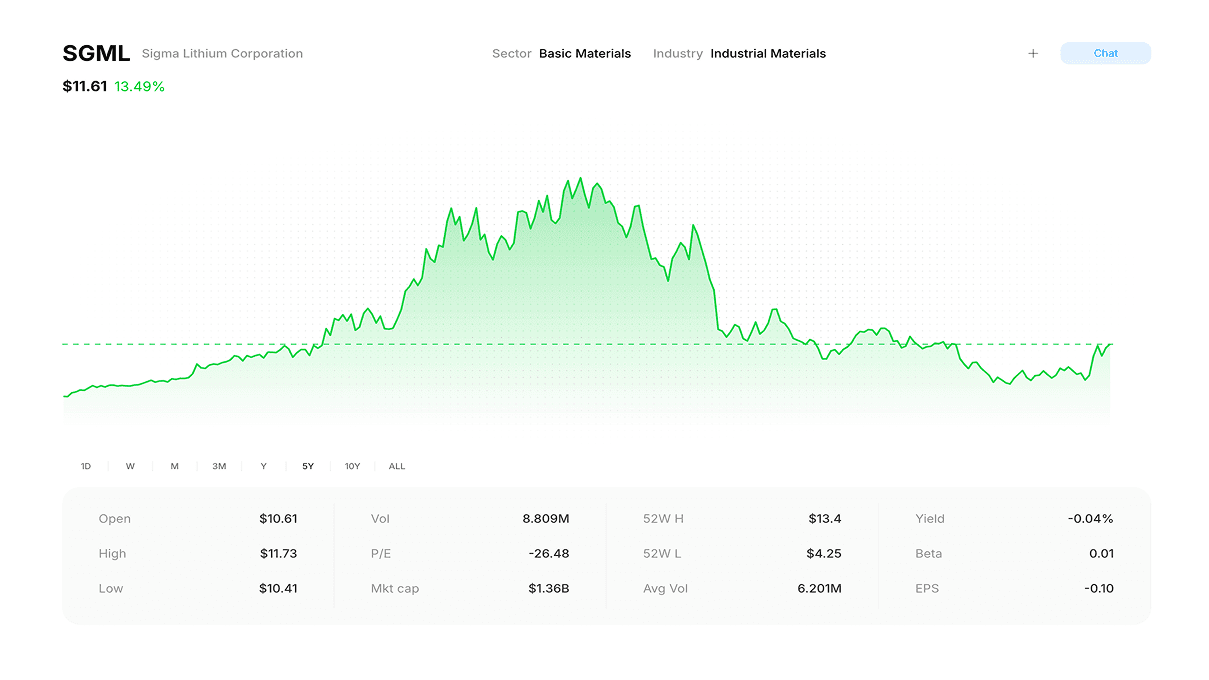
Analyst estimates for Q4 revenue of $123-125 million suggest 13-14% annual growth. But the real question isn't revenue growth—it's whether margins recover as promised and whether the manufacturing investment delivers the projected ten-point gross margin expansion by 2028. XPEL is down roughly 48% from its 52-week high, suggesting the market has priced in execution risk. Management's willingness to pursue share buybacks "given our view of valuation" signals they see that skepticism as opportunity.
This is a company betting its next three years on operational excellence in manufacturing integration while competitors pull back. Either that confidence proves justified and margins expand dramatically, or XPEL overpaid for complexity. We'll know which by mid-2026.